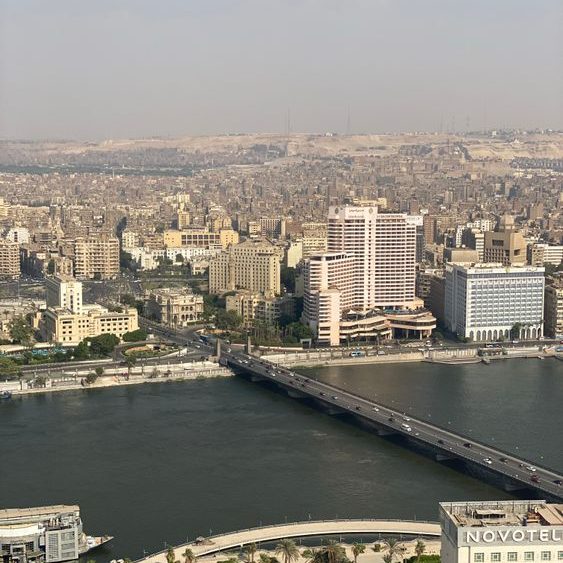
Egypt Attracts Companies From Everywhere
Egypt combines a large population and a growing digital economy and a position between Africa and the Middle East and Europe. Manufacturers and software firms and retailers all look at it as a place to sell or to build. The first meetings often go well in English. The trouble begins when contracts and licenses and customer support need Arabic. Businesses that prepare their language plan early enter the market faster and avoid costly delays during registration and negotiation.
Why Arabic Needs Special Care
Arabic is not one uniform language. Modern Standard Arabic is used in official documents and media while Egyptian Arabic dominates daily speech and advertising. Professional arabic translation services choose the right variety for each purpose. A legal contract needs formal Standard Arabic. A social media campaign may work better with the local dialect. Mixing the two without a plan can make a brand sound stiff or careless in front of customers.
Right to Left Layout Matters
Arabic runs from right to left and this changes design. Menus and tables and charts must be mirrored. Numbers and Latin words inside Arabic text can break the order of a sentence if the software is not configured well. Designers who skip testing end up with broken labels and mixed punctuation. Ask your provider to check the final layout in the actual application or document. A visual proofread by a native reader is as important as the translation itself.
Official Documents Entering the Market
Company registration needs documents such as articles of association and board resolutions and powers of attorney. Authorities usually expect an Arabic version with an official stamp. The General Authority for Investment and Free Zones publishes information on investment procedures and required papers. Reading it before you prepare files saves weeks. Ask the authority which translators it accepts because some offices keep their own lists. A document that arrives with the wrong stamp goes back to the start of the queue.
Market Intelligence From Public Sources
Governments publish practical guidance for exporters. The International Trade Administration offers country reports and regulations and tips on distribution channels. Use them to decide which products to launch first and which certifications you need. Then translate the packaging and labels and manuals that the rules require. Meeting local labeling rules is cheaper when you plan it from the start than when customs holds a shipment at the port because a leaflet is missing.
Product Content That Sells
Customers in Egypt compare prices and read reviews before buying. Product pages must be clear and complete in Arabic. Specifications and warranty terms and return policies need careful wording. Machine output often confuses technical terms. Hire translators who understand your category and give them a glossary. Test headlines with local shoppers when possible. A page that feels natural builds trust and reduces the number of questions that reach your support team every day.
Customer Support in Two Languages
Support teams answer in real time and cannot wait for long revision cycles. Many firms test enterprise ai platforms to draft replies and sort tickets by topic. The software speeds up routine answers but a bilingual agent should check anything sensitive such as refunds and legal terms. Keep a library of approved answers in Arabic and English so that agents stay consistent. Review chat logs each month to find phrases that confuse customers and rewrite them.
Legal and Compliance Texts
Terms of service and privacy policies must comply with local law. A literal copy from another country can contain clauses that do not apply or that conflict with rules in Egypt. Work with a lawyer who knows local requirements and with a translator who understands legal drafting. The two professionals should talk to each other directly. This cooperation produces documents that protect the company and remain readable for ordinary customers who just want to know their rights.
Events and Meetings
Trade fairs and partner meetings bring together people who speak different languages. Hire interpreters in advance and send them the agenda and a glossary. For presentations prepare bilingual slides with simple layouts. Print brochures in Arabic and English. Small gestures such as greeting guests in their language leave a strong impression. A company that shows respect for the local culture is remembered when partners decide who to invite to the next project.
Budgeting for Localization
Costs depend on volume and complexity and urgency. Include translation and layout and testing and updates. Ask for a plan that separates one time work from recurring work. Reuse translations through memory tools to lower later costs. Keep a reserve for regulatory changes. Compare the localization budget with the revenue target for the market. Often it is a small share of the investment yet it affects every customer touchpoint from the first ad to the last invoice.
Mistakes to Avoid
The first mistake is translating only the website and forgetting contracts. The second is using one Arabic for every audience. The third is ignoring cultural calendars such as religious holidays that affect campaign timing. The fourth is changing the product name without checking meaning. Each of these slips can be avoided with a short review by a local expert before launch. Treat that review as insurance and not as a delay to the schedule.
How to Choose a Provider
Look for native Arabic linguists with experience in your industry. Ask for samples and for references from companies active in Egypt. Check that the provider can handle layout and certified documents. Confirm how they protect confidential files. Evaluate the clarity of the quote and the speed of the reply. A partner who asks smart questions about your goals will probably deliver better work than one who only asks for the file.
A Practical Starting Plan
List the documents and content you need in Arabic. Rank them by urgency. Request quotes and a short test. Set up a glossary and a review process. Launch the most critical items first and expand step by step. Collect feedback from local customers and partners. With this approach your company builds a solid presence in Egypt without overspending and without risking mistakes that damage its reputation in the first months.
Finally keep the glossary alive after launch. Add every new term and decision and share the file with all teams and vendors. Review it every quarter with local colleagues. A shared glossary protects consistency across ads and manuals and support replies and keeps the voice of the company recognizable even when staff and agencies change.