Ask ten people what separates an interpreter from a translator and at least half will say they are the same job with a different name. Clients make the same mistake when they request a quote, and the result is a missed deadline, a wasted budget or an awkward silence in a meeting room. Understanding interpreter vs translator is not a matter of vocabulary. It is about matching the right professional to the way your message needs to travel.
The core difference: spoken and written
The simplest rule is also the most reliable. An interpreter works with spoken language, in real time or close to it. A translator works with written text, usually at their own pace and with time to research. One person helps two parties talk, the other turns a document into a new language. The overview of language interpretation on Wikipedia describes how the profession developed, from diplomatic courts to today's conferences and courtrooms.
These jobs draw on different mental muscles. Interpreters need quick memory, calm under pressure and the ability to rephrase an idea in seconds, with no chance to consult a dictionary mid sentence. Translators need patience, a sharp editorial eye and deep knowledge of style, terminology and the culture behind the text. Plenty of professionals do both, but they rarely do both well on the same day.
Types of interpreting you may need
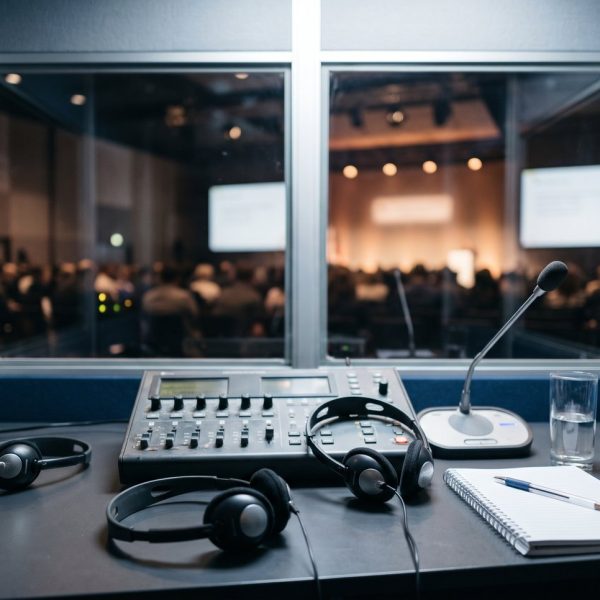
When a client asks for an interpreter, the next question is which kind. In consecutive interpreting, the speaker talks for a minute or two, pauses, and the interpreter then delivers the message in the other language, often with the help of handwritten notes. It suits small meetings, medical appointments and negotiations, where a little extra time is welcome. Simultaneous interpreting happens as the speaker talks, usually from a booth with headsets, and it keeps conferences moving without doubling their length.
There is also whispered interpreting, where the interpreter sits next to one listener and quietly renders the speech, and remote interpreting by phone or video, which has become common for urgent calls and for hospitals that need a rare language at short notice. A useful introduction to these formats can be found in this explanation of interpretation services, which helps buyers choose before they book.
What translators do all day
Translators deal with contracts, manuals, websites, certificates, marketing copy and books. They compare the source with the finished text, check terminology against glossaries and often work with a second linguist who reviews the result. Many specialise, for example in law, medicine or engineering, because a general knowledge of two languages is not enough when a clause could cost a company real money.
Because written work can be revised, a translator can polish a sentence until it reads as if it had been written in the target language from the start. An interpreter gets one attempt, which is why accuracy and composure matter so much on the day.
Interpreter vs translator: which one should you hire?
Start with the format of the original message. If people will be talking, whether on a stage, across a table or over the phone, you need an interpreter. If the content already exists on paper or on screen, you need a translator. If you have a video, you might need both: a translator to prepare subtitles and an interpreter for the live question and answer afterwards.
Next, consider the setting. Court hearings, medical consultations and police interviews follow strict rules, and the professional involved usually needs specific training and sometimes official registration. A good example of what high stakes work looks like can be seen in this article about what makes a good interpreter in meetings and courts.
Finally, think about the volume and the deadline. A thirty page contract may take a translator several days. A two hour board meeting needs an interpreter for exactly two hours, but also needs preparation time beforehand, because the best interpreters ask for slides, agendas and glossaries in advance.
How to brief your language professional
Whichever you choose, the quality of the result depends on the quality of the briefing. Share the purpose of the text or event, the audience, the preferred tone and any terms that must stay in the original language. Explain acronyms, product names and names of people. Tell the interpreter who will speak fast, who has a strong accent and who tends to tell long stories. Tell the translator whether the text is going to print, to a website or to a legal file.
Allow reasonable time. Rushed work is the most common cause of mistakes, and it is almost never the professional's fault. For interpreting, book early, especially for rare language pairs, and remember that two interpreters are normally needed for sessions longer than an hour or so, because the concentration is exhausting.
Where to learn more
If you want to hear from working linguists, forums such as the translation community on Reddit offer frank discussions about rates, specialisations and the realities of both careers. It is a quick way to see how differently the two professions experience their work.
In the end, the choice is simple once you ask yourself one question: is my message being said or written? Answer that, brief your professional well, and both the translator and the interpreter will do what they do best, which is to make sure nothing important gets lost between languages.